Friday, January 29, 2016

DRIED FISH


Bulad (Dried Fish)

Bulad or dried fish is a major product of the province of Capiz considering that it is blessed with miles and miles of rich coasts. There are several varieties of dried fishes that can be found in Capiz that makes it a captivating land for the middleman sellers of dried fish in Metro Manila. Sellers of dried fish earn a living simply by exporting these to other areas in the country as well as abroad.


CAPIZ PRODUCTS


Ornaments Made from Capiz Shells

Known as one of the most versatile and elegant decorating raw materials, the Capiz shells are very important part of the culture of the local Capiznon. It is bread and butter source for many locals who engage in developing all sorts of designs for use as ornamental decoration in houses. The Capiz shells when used as ornaments and decors turn simple living into elegant and cozy-looking environment. It is well known to be a good indoor as well as outdoor décor major raw material. The Capiz shell products are also very well recognized in the world market because Capiz is the only living paradise for the Capiz shells that can be found in their vast sea treasure chest.


Popular Capiz Shell Finished Products

Some popular Capiz shell chips decorating design include gift items, indoor decoration and outdoor decoration ornaments. Capiz chip-made products range from lanterns, lamp shades, window pane, chandeliers, curtains, picture panels and frames, Capiz shell balls, plates, decorative bowls, candle holders, tiles, flower vase, door hanging chime, soapdish, pendant, globelight, necklace decor, beads, bird cage, floor lamp holders, faux chandelier, gift boxes, collection item rack and many more. This alone is proof to the wonders of the captivating Capiz treasures.
 
These shells are used in making decorations, vases, lamps, lanterns, trays, accessories, ornaments, even doors, windows and more. The shell is similar to the mother-of-pearl shells.
Capiz shells are very important part in the Capiznon culture. It is a versatile and elegant decorating raw material. Most importantly, it is the major source of many locals that produces develops designs for ornamental decorations may it be indoors or outdoors.
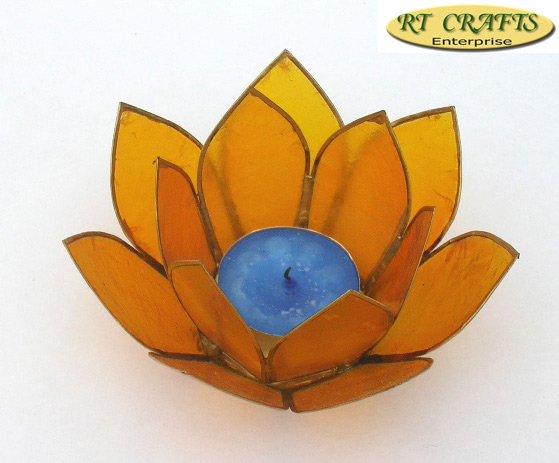
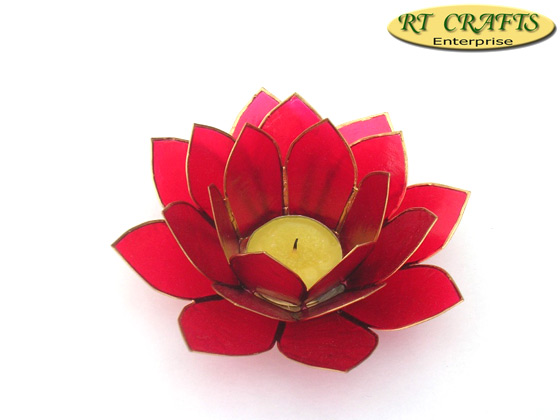
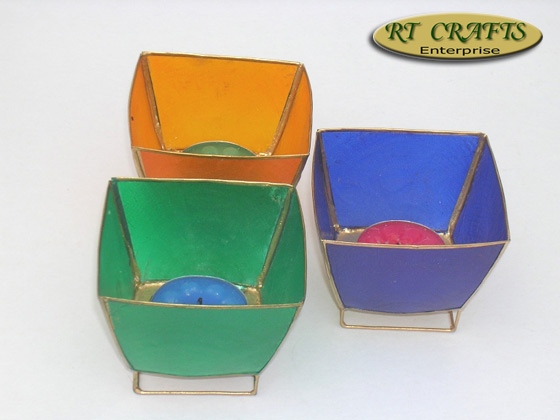
Candle Holders

Kasadyahan sa Capiz


Capiz is a province in the Philippines located in the Western Visayas region. Its capital is Roxas City and is located at the northeastern portion of Panay Island, bordering Aklan and Antique to the west, and Iloilo to the south. Capiz faces the Sibuyan Sea to the north.Capiz is known for the Placuna placenta oyster shell that has the same name locally and is used for decoration and making lampshades, trays, window and doors.
Capiz is dubbed as the "Seafood Capital of the Philippines". It holds one of the richest fishing grounds and is a major contributor in the aquamarine industry of the Philippines. Farming and fishing are the primary sources of income for the people. The combined natural bounty of land and sea sustain a vibrant food industry. Primary agricultural raw products are rice, corn, coconut, sugarcane, banana and cut flower. Apart from a surplus of agricultural products, Capiz is also a major supplier of prawn and milk fish. Other agro-industrial harvests include blue marlin, squid, oysters, shrimp, seaweed, and angel wings. Rich fish ponds attract investors to venture into prawn culture, prawn feed manufacture, seaweed farming and the distribution and processing of other marine products. A robust workforce of 445,246 operates with a literacy rate of 92.04%. Its relatively unexplored caves are said to have high deposits of mineral resources such as limestone, gold and metal.


KASADYAHAN SA CAPIZ

Add caption
Sinadya sa Halaran  Is a merging of the Roxas City Fiesta "Sinadya" and the Province celebration of "Halaran". "Sinadya sa Halaran" is a commemoration of the feast of the patroness of Roxas City which is the Immaculate Conception and a thanksgiving. It literally means "Joy in Sharing and Thanksgiving". Rituals and festivities include fireworks, grand parades, fluvial processions, fair and food festivals, street dancing, and exhibits.


  • Pangahaw Festival - A thanksgiving for a bountiful harvest by the Indigenous Peoples of Jamindan


  • Guyum-Guyuman Festival - "Caguyuman" the old name of Pontevedra, meaning anthill, a name distinct for ants' house was once a part of the municipality of Pan-ay mainly because of its abundant natural resources both from the coastal and upland areas. People from the nearby municipalities of PanayPanitanMaayon and President Roxas, would thrive in the market place like swarm of ants for trading. This rich tradition is now a celebration of life and thanksgiving for all Caguyumanons.
  • Talahong FestivalTalaba and tahong is very rich in production in these areas. More than a hundred fisherfolk live along the coast. Since Sapian is abundant with seafoods, it was the initiative of the Local Government Unit to organize a Talahong Festival (Talaba-Tahong) every 2nd Friday and 2nd Saturday of May that promotes the local products.


  • Tagbuan Festival - It was conceptualized during the Pre-Spanish time, wherein there were aetas in the upland barangay.